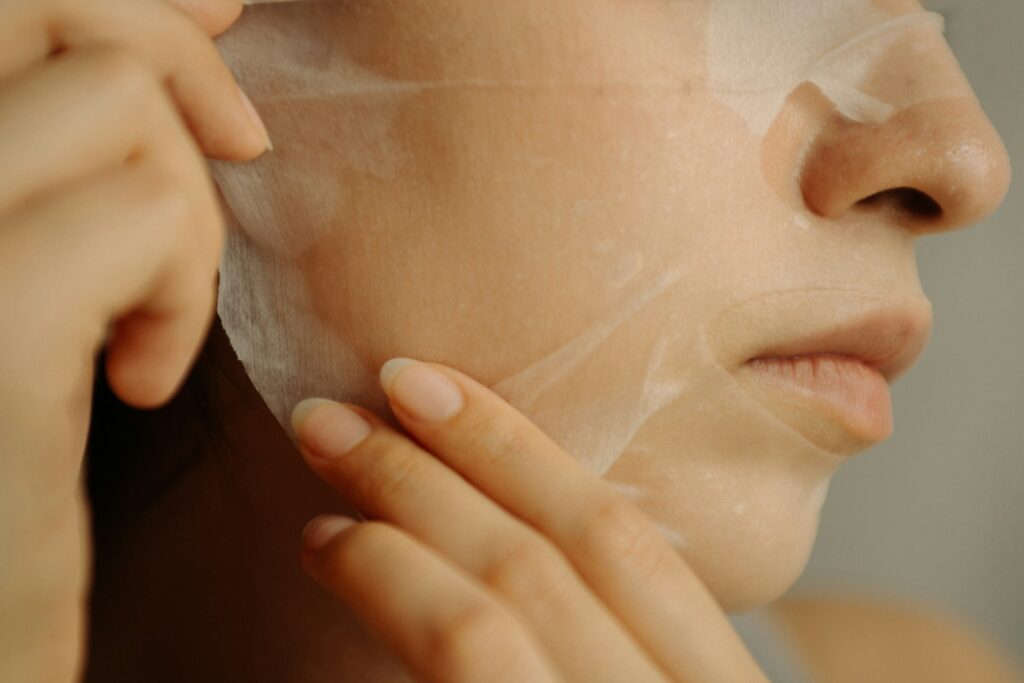
When cooler weather rolls in and the holidays start inching closer, many of us in Mason, Cincinnati, expect our skin to feel dry or tight. What’s surprising is how much sun damage shows up in winter, weeks, sometimes months, after sun exposure happened. It can feel confusing. One day your skin looks fine, then suddenly there are dark spots or patches that weren’t there before.
This kind of delayed reaction is more common than people think. Sun exposure from late summer or fall doesn’t always show up right away. Often, our skin holds onto that damage until colder months make it more visible. The air gets dry, there’s less daylight, and the glow we had in warmer weather fades. That’s when we start noticing uneven tone, new texture changes, or blotchy areas.
Sun damage treatment can help break that pattern. Professional care looks beneath the surface to help calm what’s already there while preventing new damage from settling in. Here’s how the season plays a role and what to know if your skin is suddenly acting up.
Why Winter Makes Sun Damage More Noticeable
Winter changes how our skin looks and feels, even if we’re not doing much differently. And those changes tend to highlight whatever damage might have been sitting under the surface.
- Skin naturally gets paler in winter, which makes dark spots stand out more
- Cold air and indoor heat dry out skin, causing rough patches or dull areas to feel more pronounced
- With less sunlight and fewer outdoor hours, we lose the warm tone that often masks uneven skin tone
That summer glow a lot of us enjoy starts fading out by late fall. Once it’s gone, areas of skin that once looked balanced may now seem blotchy or speckled. For many, this change happens fast. What felt like healthy skin in October might look uneven by mid-December, not because something new happened, but because old damage is now more visible.
As we spend more time indoors and rely on artificial heating, our skin’s ability to hold onto moisture also drops. This dryness can further accentuate areas of discoloration or rough texture that might have been less obvious when skin was dewier during summer and fall. It’s not unusual to notice little spots or rough patches that seem to show up out of nowhere during these months.
Common Signs of Delayed Sun Damage
Sun damage doesn’t always hit right away. It builds up slowly, sometimes weeks after spending time outdoors. Once winter arrives, your skin starts telling the story.
- Dark spots across cheeks, forehead, or chest that feel sudden
- Patchy or uneven coloring, especially where sunscreen may have missed
- Rough texture or areas that flake more than others
- Skin that reacts differently to products, even ones you’ve used for months
In some cases, certain parts of the face may appear more aged or dull than others. That’s not due to winter weather alone. It’s often sun exposure from months before finally coming to the surface once skin loses its moisture and natural barrier.
You might also notice that your regular skincare products start to feel different, or that your makeup sits oddly on your skin compared to previous months. This is often a sign that invisible sun damage has surfaced, reacting differently to familiar products and routines.
Why At-Home Fixes Often Fall Short
It’s tempting to tackle these changes with a new cream or face mask, especially when skin starts acting up. But over-the-counter options usually stay close to the surface and don’t reach where the deeper damage lives.
- Most products only treat the outer layers and don’t address the buildup deeper below
- Winter skin is more sensitive, making it harder to tolerate harsh ingredients or scrubs
- Slower skin renewal in colder months means you may not see much change from at-home care
When your skin is already dry or irritated, strong products can do more harm than good. Scrubbing or masking might seem helpful, but it often leads to more redness, flaking, or tightness, especially when the damage is old and just now becoming visible.
Trying many different over-the-counter products at once can also overwhelm your skin during colder months, which may set back the process of recovery. Plus, winter weather itself can make active ingredients more irritating, causing the very symptoms you’re hoping to fix.
How Light-Based Care Can Support Healthier-Looking Skin
Professional light treatments are one way to target the deeper layers of sun damage without irritating fragile winter skin. Unlike lotions or scrubs, light-based tools reach below the surface, helping break up the pigment and calm irritation.
- These treatments work beneath the surface where discoloration builds up
- Skin tends to heal more comfortably in winter without strong sun exposure outside
- Calmer winter weather helps skin focus on repair instead of protecting from new damage
At Transform MD, we use advanced laser skin technology like IPL and radiofrequency to treat sun damage, dark spots, and rough texture with minimal downtime. Our customized care allows us to safely target discoloration while protecting fragile skin, delivering results over the winter recovery window.
This approach is gentle enough for most skin types during the colder months. By giving your skin a break from the harshest sun and heat, winter makes healing from sun damage less stressful and more predictable. These treatments can help target discoloration and renew skin in a way that suits the season.
This matters for anyone hoping to soften dark spots or smooth out their complexion. Trying a sun damage treatment during cold months often leads to steadier healing since the weather is working with your skin, not against it.
When to Consider Treatment Based on Your Skincare Goals
If your plan is to feel good about your skin by spring or early summer, winter is the ideal time to start. Skin needs space to rest and rebuild. Waiting too long can make that harder, especially when calendars start filling up with events.
- Starting now gives skin time to settle before family trips, weddings, or warmer weather
- Spacing out any needed sessions avoids rushing care during busier seasons
- Regular cold-weather maintenance can help your skin feel smoother, calmer, and more balanced once outdoor activities pick up
Planning far enough ahead means you’re not scrambling for last-minute fixes. Instead, your skin steadily improves at a pace that feels good, without added pressure as the seasons change.
Not only does starting early help you achieve a more even complexion by the time short sleeves return, but it also lets your skin get used to new routines without added stress from outdoor activities or heat. Building in recovery time helps set you up for more confident, comfortable skin in the months ahead.
A Calmer Season for Your Skin
Winter doesn’t have to feel like a losing season for your skin. In fact, it’s often the right time to reset. Cold months give you a window where your body naturally slows down, and your skin has room to recover from sun damage that didn’t show up until now.
With the right help, your skin can shift from blotchy or dry to balanced and refreshed before spring comes around. Even if signs of sun damage catch you off guard this season, they don’t have to carry over into the next. We can use this quieter time to support calmer, stronger skin for the long run.
Noticing stubborn spots or uneven tone this winter? Our team at Transform MD is here to help your skin feel clearer and more balanced. When home care isn’t enough, a focused approach that gently supports the skin’s deeper layers can make a real difference. One option we often recommend is a light-based sun damage treatment that targets discoloration without overwhelming sensitive winter skin. Let us take the time to understand your goals and guide you toward the right next step, call us to schedule your visit.